6 min 0

The Super Bowl Shuffle: The Song That Redefined Sports Swagger

When the Chicago Bears released “The Super Bowl Shuffle” in late 1985, the world wasn’t prepared for what was about to hit it. A professional football team rapping—rapping—into microphones in full uniform, boasting about a championship they hadn’t technically won yet? It sounded like a recipe for embarrassment. Instead, it became one of the most iconic, charming, and culturally important sports songs ever made. “The Super Bowl Shuffle” wasn’t just a novelty track; it was a time capsule of 1980s swagger, confidence, and the kind of larger-than-life entertainment energy that defined the decade. To understand why “The Super Bowl Shuffle”…
Read More
6 min 0

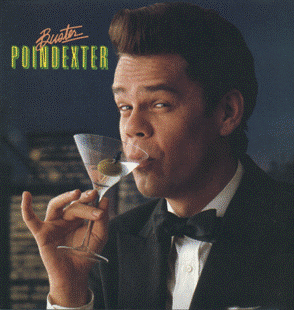
Buster Poindexter: The Lounge-Lizard King of 1980s Cool

In a decade overflowing with big hair, neon suits, synthesizers, and over-the-top personas, few characters embodied the theatrical fun of the 1980s quite like Buster Poindexter. With his towering pompadour, tailored suits, martini-bar swagger, and booming baritone voice, Buster was the kind of performer who felt like he’d stepped out of a smoky nightclub in 1957 and crash-landed smack into the high-gloss world of MTV. But behind the swagger and the jokey stage persona was one of rock’s hardest working frontmen: David Johansen, the former lead singer of The New York Dolls. Reinvention was nothing new to him—but Buster Poindexter…
Read More
9 min 0

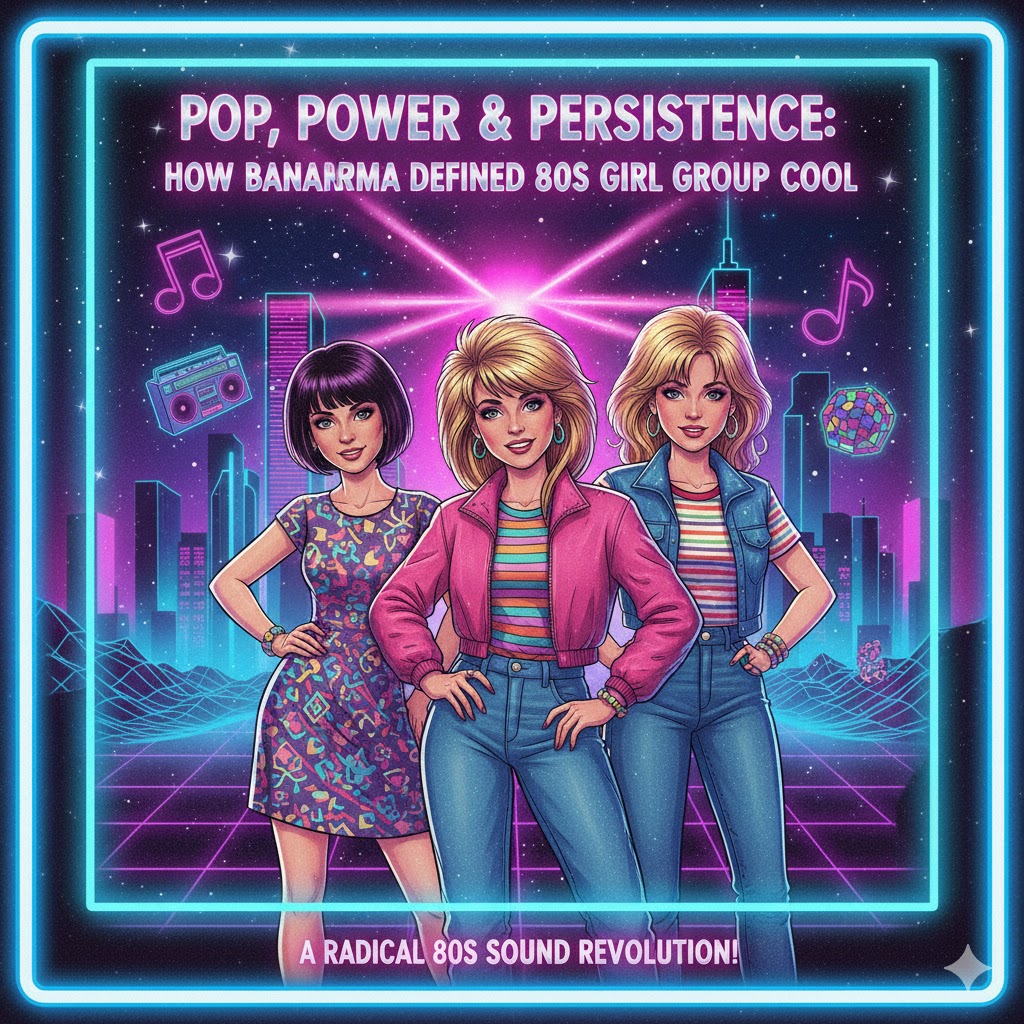
Pop, Power & Persistence: How Bananarama Defined 80s Girl Group Cool

The 1980s were a decade of bold fashion, infectious music, and a revolution in pop culture. Amid the rise of synth-driven sounds and the explosion of MTV, Bananarama emerged as one of the era’s most distinctive and influential acts. The British girl group, originally consisting of Sara Dallin, Siobhan Fahey, and Keren Woodward, not only dominated charts with their catchy tunes but also redefined the role of women in pop music, becoming icons of style, empowerment, and accessibility. Bananarama’s influence extended beyond their music, shaping fashion, media representation, and the very notion of girl groups in the 1980s. Bananarama’s appeal…
Read More
4 min 0

Boomboxes: The Loud, Proud Soundtrack of the 1980s

In the early 1980s, a new kind of portable music player began dominating city streets, schoolyards, and parks: the boombox. These large, battery-powered stereo systems, often carried on one shoulder, combined radios, cassette players, and powerful speakers into a single, mobile audio powerhouse. More than just a way to play music, boomboxes became cultural icons, shaping fashion, social interaction, and the very soundscape of the decade. Boomboxes emerged as a response to a growing appetite for portable, high-volume music. Unlike personal cassette players such as the Walkman, boomboxes were designed to be shared. They could blast music to a crowd,…
Read More
10 min 0

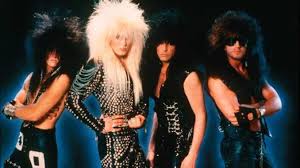
The Teased Hair and Thunder Riffs: The Explosive Rise and Lasting Legacy of 1980s Hair Metal

Hair metal, also known as glam metal, was a spectacle as much as it was a genre—a decadent collision of heavy metal riffs, glittery fashion, and anthemic, arena-shaking choruses. It ruled the 1980s with a teased fist and a bottle of Aquanet. Often mocked for its excesses and dismissed by critics, hair metal was a cultural phenomenon that defined a generation of rock fans. From the Sunset Strip in Los Angeles to sold-out stadiums across the globe, hair metal was a party with no curfew, a celebration of hedonism, and an era that burned as bright as it burned fast.…
Read More
7 min 0

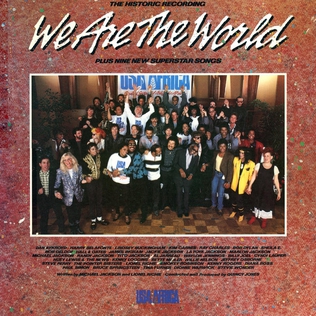
We Are the World: The Song That Tried to Save the World One Voice at a Time

Few musical moments from the 1980s resonated quite like “We Are the World.” Released in March 1985, it wasn’t just a hit single—it was a global phenomenon. Written by Michael Jackson and Lionel Richie, produced by Quincy Jones, and performed by an all-star collective called USA for Africa, the song aimed to do more than top charts. It was a direct response to the devastating famine in Ethiopia, and it became a defining example of celebrity humanitarianism, mass media influence, and musical idealism. More than just a piece of pop culture, “We Are the World” captured a unique moment in…
Read More