6 min 0

The Super Bowl Shuffle: The Song That Redefined Sports Swagger

When the Chicago Bears released “The Super Bowl Shuffle” in late 1985, the world wasn’t prepared for what was about to hit it. A professional football team rapping—rapping—into microphones in full uniform, boasting about a championship they hadn’t technically won yet? It sounded like a recipe for embarrassment. Instead, it became one of the most iconic, charming, and culturally important sports songs ever made. “The Super Bowl Shuffle” wasn’t just a novelty track; it was a time capsule of 1980s swagger, confidence, and the kind of larger-than-life entertainment energy that defined the decade. To understand why “The Super Bowl Shuffle”…
Read More
7 min 0

“Big Bucks, No Whammies”: The Wild, Weird, and Wonderful Legacy of Press Your Luck

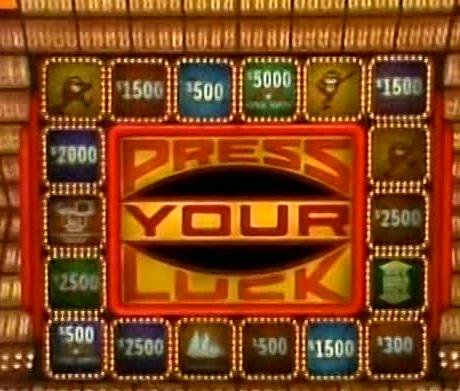
If you grew up watching daytime television in the 1980s, chances are the chant “Big bucks, no Whammies!” lives somewhere deep in your brain. Few game shows from the decade left as much of an imprint on pop culture as Press Your Luck, a high-energy, brightly lit, cartoon-infused spectacle that somehow blended trivia, strategy, luck, and pure chaos into one unforgettable half hour. It wasn’t just a game show—it was a carnival of flashing lights, bouncing prizes, and mischievous little red creatures that could take away everything in the blink of an eye. Press Your Luck looked like the ‘80s…
Read More
9 min 0

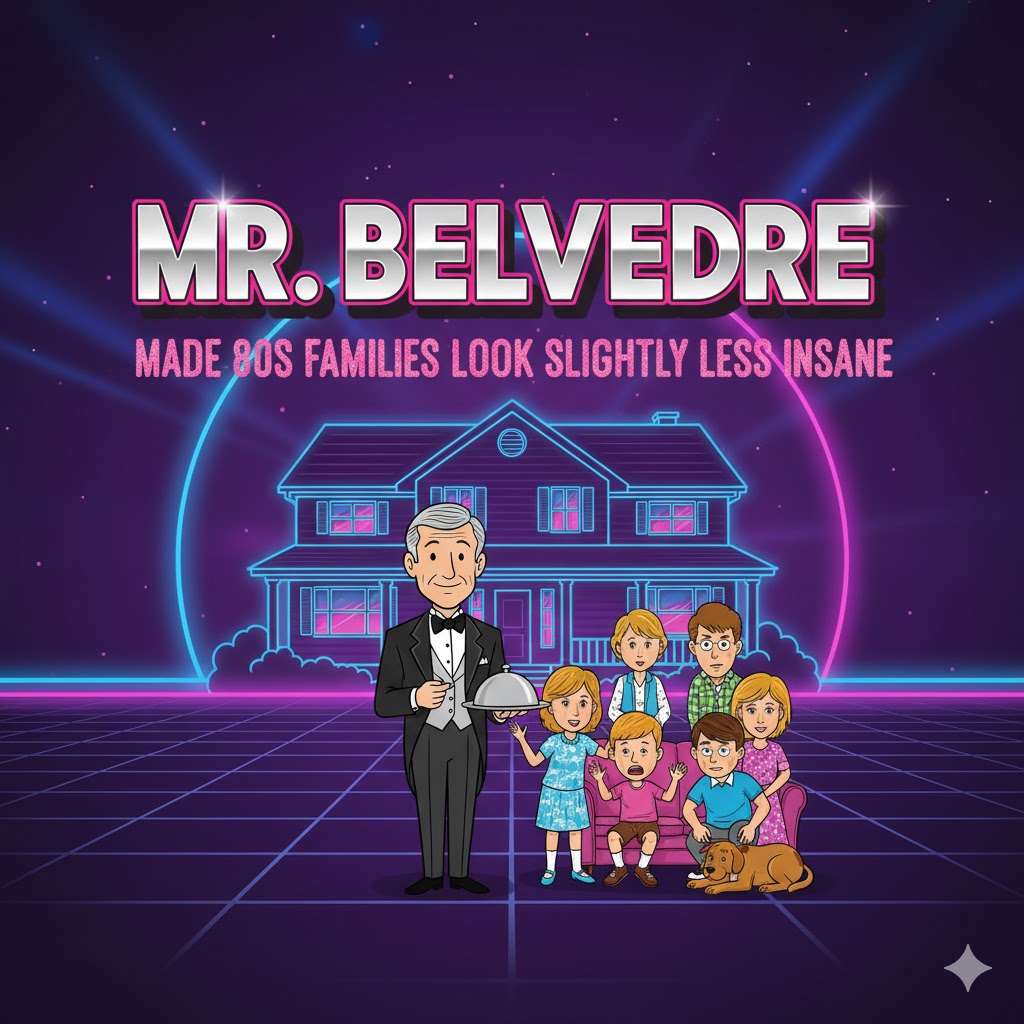
Mr. Belvedere Made 80s Families Look Slightly Less Insane

The 1980s were a magical time for television. Big hair, pastel everything, and the persistent hum of synthesizers defined the cultural landscape. But amid the sitcoms about quirky families, talking animals, and inexplicable workplace hijinks, Mr. Belvedere quietly carved out a niche that was simultaneously sophisticated, hilarious, and slightly absurd. The show followed Lynn Redgrave’s charmingly proper British butler—Mr. Belvedere—as he navigated the chaotic lives of the Owens family, an all-American household that had more domestic disasters than a home-improvement montage gone wrong. From the very first episode, it was clear that the charm of Mr. Belvedere lay in the…
Read More
9 min 0

Unsolved Mysteries Turned Ordinary Suburbs Into Full-Blown Horror Scenes for 80s Kids

The 1980s were a simpler time in many ways. Video games were pixelated, hair was big enough to cause minor aerodynamic disturbances, and the only “internet” anyone had access to was the collective rumor mill at school. But one thing wasn’t simple: the television show Unsolved Mysteries. Premiering in 1987, it was the kind of show that promised to make your living room simultaneously thrilling, terrifying, and weirdly educational—all while slowly rotting your childhood innocence. Hosted by the calm, slightly ominous voice of Robert Stack, Unsolved Mysteries was a cultural phenomenon for a generation that thrived on cliffhangers, jump scares,…
Read More
7 min 0

The Glorious Chaos of the 1980s Scholastic Book Fair

In the pantheon of 1980s childhood experiences, few rites of passage compared to the Scholastic Book Fair. This was not merely a school event—it was a full-blown, glitter-infused adventure where your sense of logic, your clutching dollar bills, and your future taste in literature were all put to the ultimate test. And make no mistake: surviving the Book Fair required courage, cunning, and a willingness to experience sensory overload the likes of which only a third grader could truly appreciate. Let’s start with the setup. By some miracle of logistics, your school gymnasium—or if you were lucky, the library, which…
Read More
9 min 0

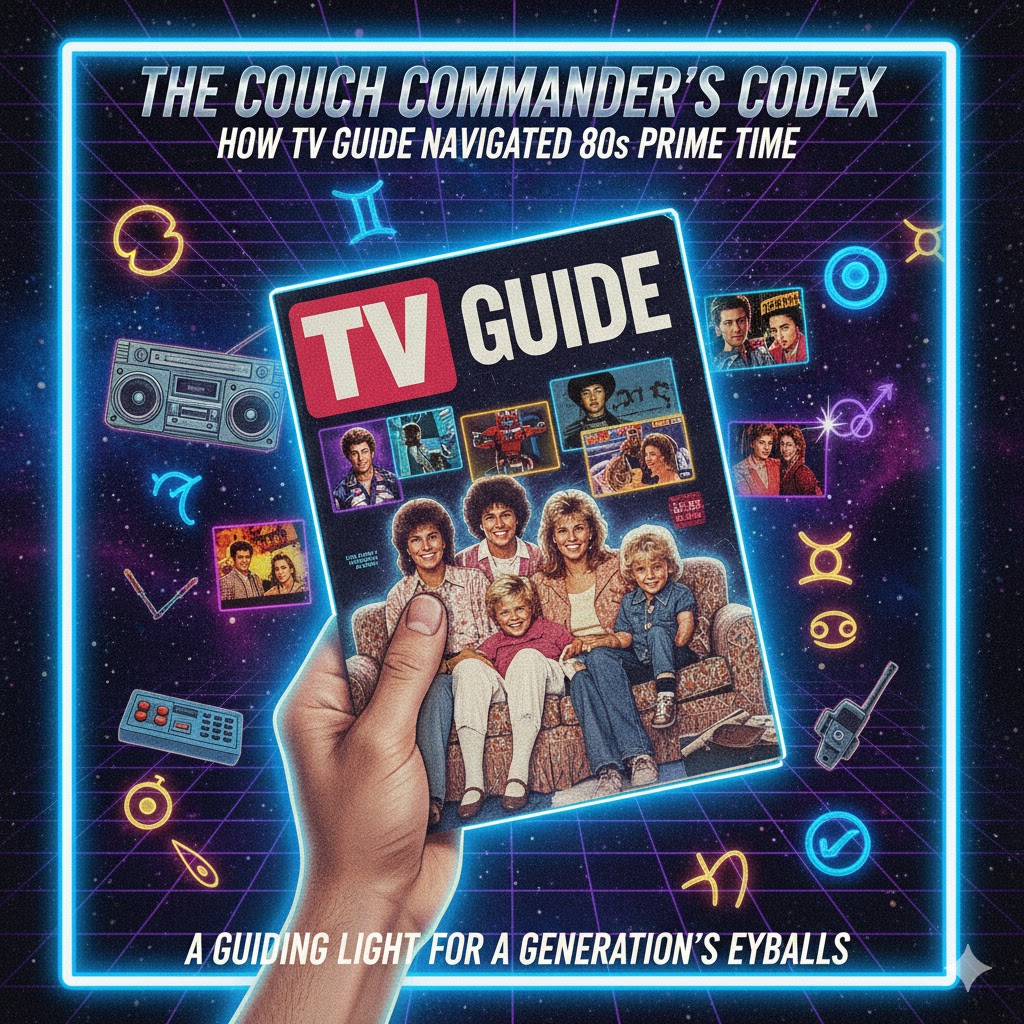
The Couch Commander’s Codex: How TV Guide Navigated 80s Prime Time

The 1980s were a golden age for television. With cable networks expanding rapidly, primetime programming exploding with sitcoms, dramas, and talk shows, and Saturday morning cartoons capturing the imaginations of kids across America, television became the cultural heartbeat of the decade. At the center of this TV-centric lifestyle was TV Guide, the pocket-sized magazine that became much more than a simple schedule—it was a cultural compass, a conversation starter, and a symbol of how people experienced media in the pre-digital era. Its influence permeated homes, offices, and schools, shaping social interactions, fandoms, and even fashion in ways that defined 1980s…
Read More
7 min 0

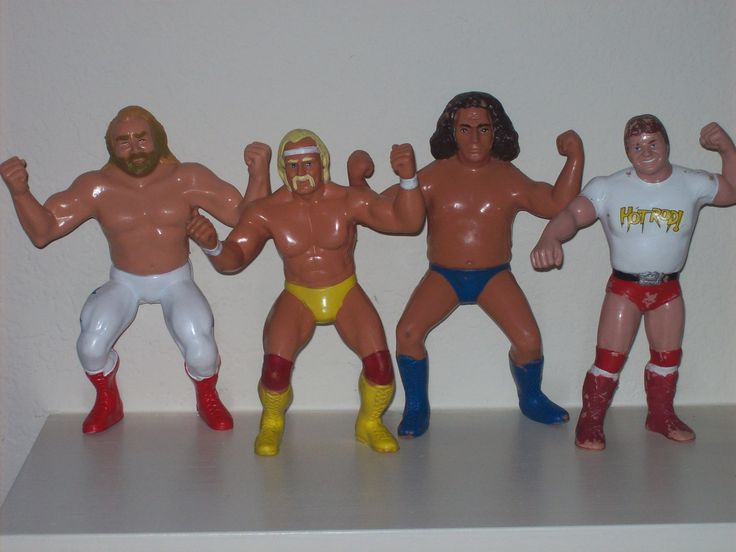
Body Slams in Plastic: The Wild World of 1980s WWF Action Figures

In the golden age of spandex, body slams, and turnbuckle drama, few toys captured the raw, larger-than-life energy of professional wrestling quite like the WWF action figures of the 1980s. At a time when Hulkamania was running wild, Macho Madness was sweeping the nation, and tag teams were as beloved as rock bands, children everywhere turned their bedrooms into miniature arenas with a collection of rubber, plastic, and paint. These action figures were more than just toys—they were gladiators, heroes, villains, and legends of the ring. They were reflections of an era when the World Wrestling Federation (now WWE) was…
Read More
7 min 0

Pee-wee’s Playhouse: The Surreal Saturday Morning Masterpiece That Redefined Kids’ TV

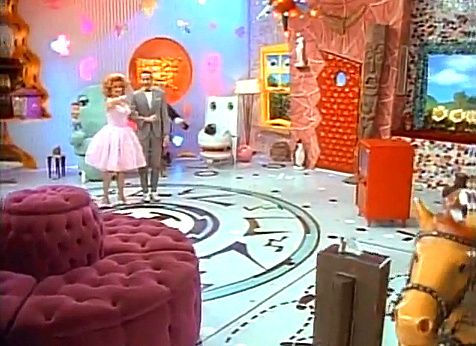
When Pee-wee’s Playhouse first aired on CBS in September 1986, it was unlike anything television had ever seen. Wrapped in manic energy, surreal visuals, and a patchwork of retro influences, the show felt like a broadcast from an alternate universe—a place where cartoons, puppets, talking furniture, and manic catchphrases coexisted in chaotic harmony. Its host, the bow-tied, high-voiced man-child Pee-wee Herman, played by Paul Reubens, wasn’t your typical children’s television presenter. He was unpredictable, strange, and gleefully subversive, yet he radiated a joy and sincerity that spoke directly to young audiences while winking at the adults who watched with them.…
Read More
7 min 0

Max Headroom: The Digital Prophet of the 1980s

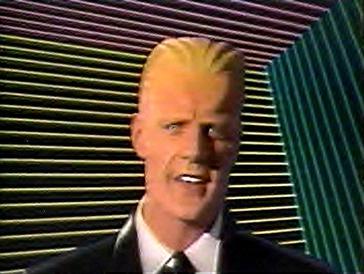
In the noisy, neon-soaked media landscape of the 1980s, one figure stood out as both a satire and a symbol of the times—a stuttering, sarcastic, computer-generated talking head named Max Headroom. With his pixelated smirk, exaggerated mannerisms, and glitchy speech, Max was more than just a strange TV character. He was a glimpse into a future that was just beginning to take shape—one driven by corporate media, artificial personalities, and a digital identity crisis. Max Headroom wasn’t just ahead of his time—he was about time. And in many ways, he remains one of the most prophetic pop culture inventions of…
Read More
6 min 0

Body Suits and Broadcasts: The Weird, Wonderful World of The Inside Story with Slim Goodbody

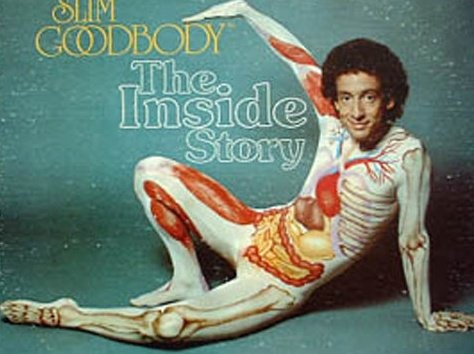
For children growing up in the 1980s, there was no mistaking the sight of Slim Goodbody. Clad in a form-fitting bodysuit that featured anatomically accurate illustrations of internal organs—heart, lungs, intestines, muscles, bones, and blood vessels—Slim was hard to ignore. Played by actor and educator John Burstein, Slim Goodbody was the human embodiment of a textbook, leaping onto screens with infectious energy, wide eyes, and a mission: to teach kids how their bodies worked. But among his many educational endeavors, one stands out as particularly strange and unforgettable: The Inside Story with Slim Goodbody, a syndicated children’s TV show that…
Read More